My Journey Learning the Languages of Papua New Guinea
Language has always been an important part of my life. My mother tongue is the Olo language of West Sepik. It is the language of my home, my people, and my identity. Like many Papua New Guineans, Tok Pisin became my second language, allowing me to communicate with people from different provinces and cultural backgrounds. English came later through formal education at school and eventually became the language I use in professional and academic settings.
My interest in languages grew naturally as I met and worked with people from different parts of the country. I realised that once I understood the tone, rhythm, and a few basic expressions, I could begin to navigate conversations in their language. This made communication easier and also helped build trust and friendship.
Over time, I have been exposed to several languages such as Manam Motu (Manam Islanders), Toaripi (Gulf Province), and Enga. Each of them has a unique sound, structure, and cultural depth. What I find most interesting is that once I learn the basics—greetings, simple questions, and everyday expressions—using what linguists describe as cross-linguistic transfer, I can start to follow conversations and respond in simple ways. Tone and dialect often give clues that help me understand meaning even when my vocabulary is limited.
At one point, I also spent two years learning basic Japanese. I managed to learn some simple words and phrases, but I must admit I never fully mastered the art of eating with chopsticks. One Japanese greeting that stayed with me was the practice of placing a hand on the chest and bowing the head slightly as a sign of respect. That simple gesture left a lasting impression on me. The chopsticks, however, are still a work in progress, and that part of the experience continues to make me laugh today.
Looking ahead, I hope to become more proficient in Toaripi, Manam Motu, Enga, and perhaps Melpa. From there, I would like to explore and learn more languages across Papua New Guinea. With more than 800 languages in our country, each one carries knowledge, history, and identity. Learning them is not only a personal interest for me, but also a way of connecting with people and appreciating the rich diversity of our nation.
In recent years, I have felt that English is becoming more dominant in my daily life, especially in professional and academic environments. As a result, I noticed that I was slowly using my own language less often. This made me more intentional about practicing and speaking my mother tongue, as well as learning other local languages. For me, language is not only about communication, but also about preserving identity, culture, and connection to one’s roots.
Language is more than communication. It is a bridge between cultures, a sign of respect, and a tool for building relationships and bonds. My journey with languages is still continuing, and I look forward to learning many more along the way.
One important lesson I have learned is that daily communication in any language helps it stay in your memory. When you use a language regularly, the words and expressions become natural, and you begin to remember them without much effort. This is why I am grateful to have friends and colleagues from Manam, Gulf, and Wabag with whom I communicate on a daily basis. These everyday conversations help me retain what I have learned and gradually improve my confidence in their languages.
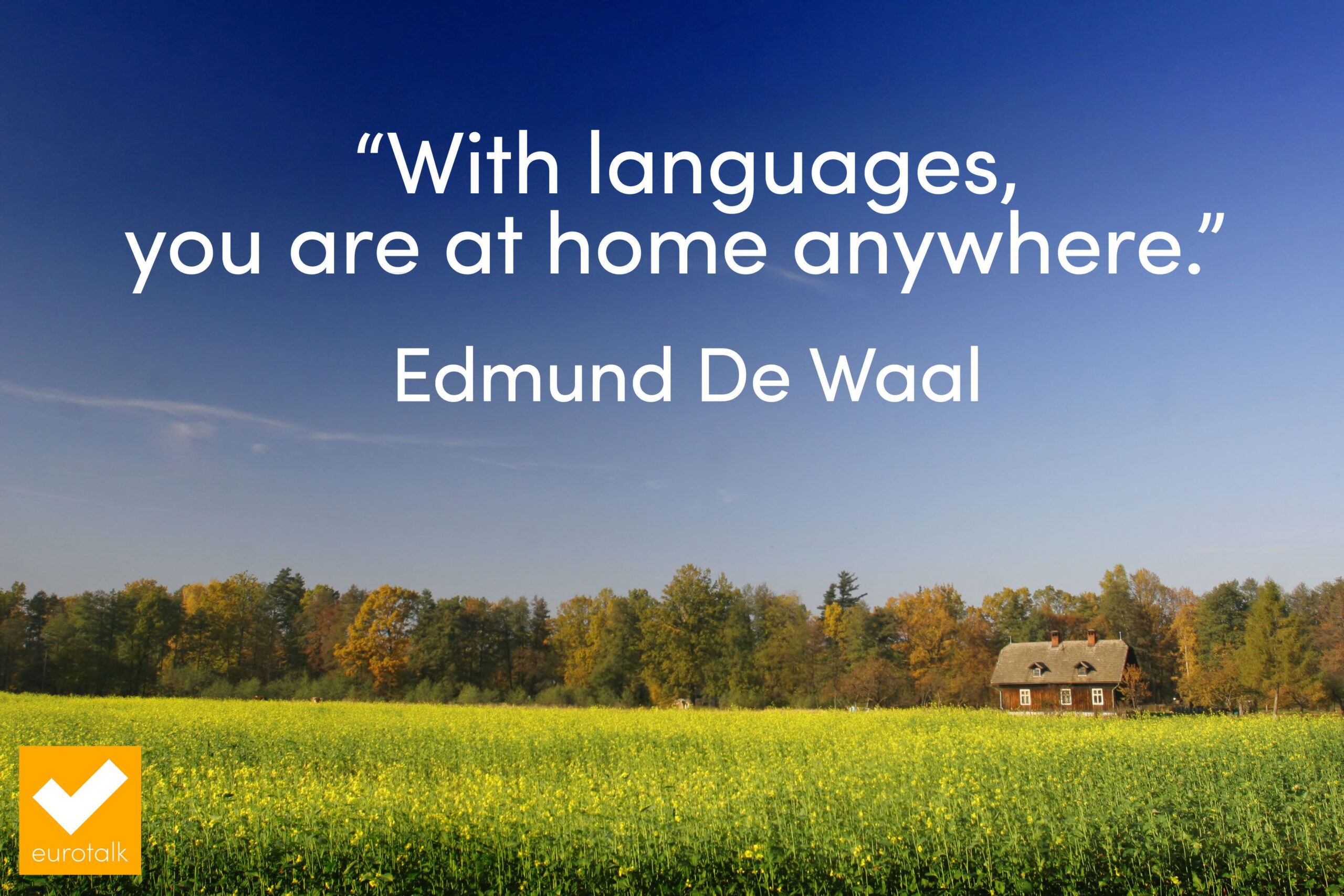
Image Source: https://eurotalk.com/blog/2015/01/19/inspiring-quotes-for-language-learners/
Comments are closed